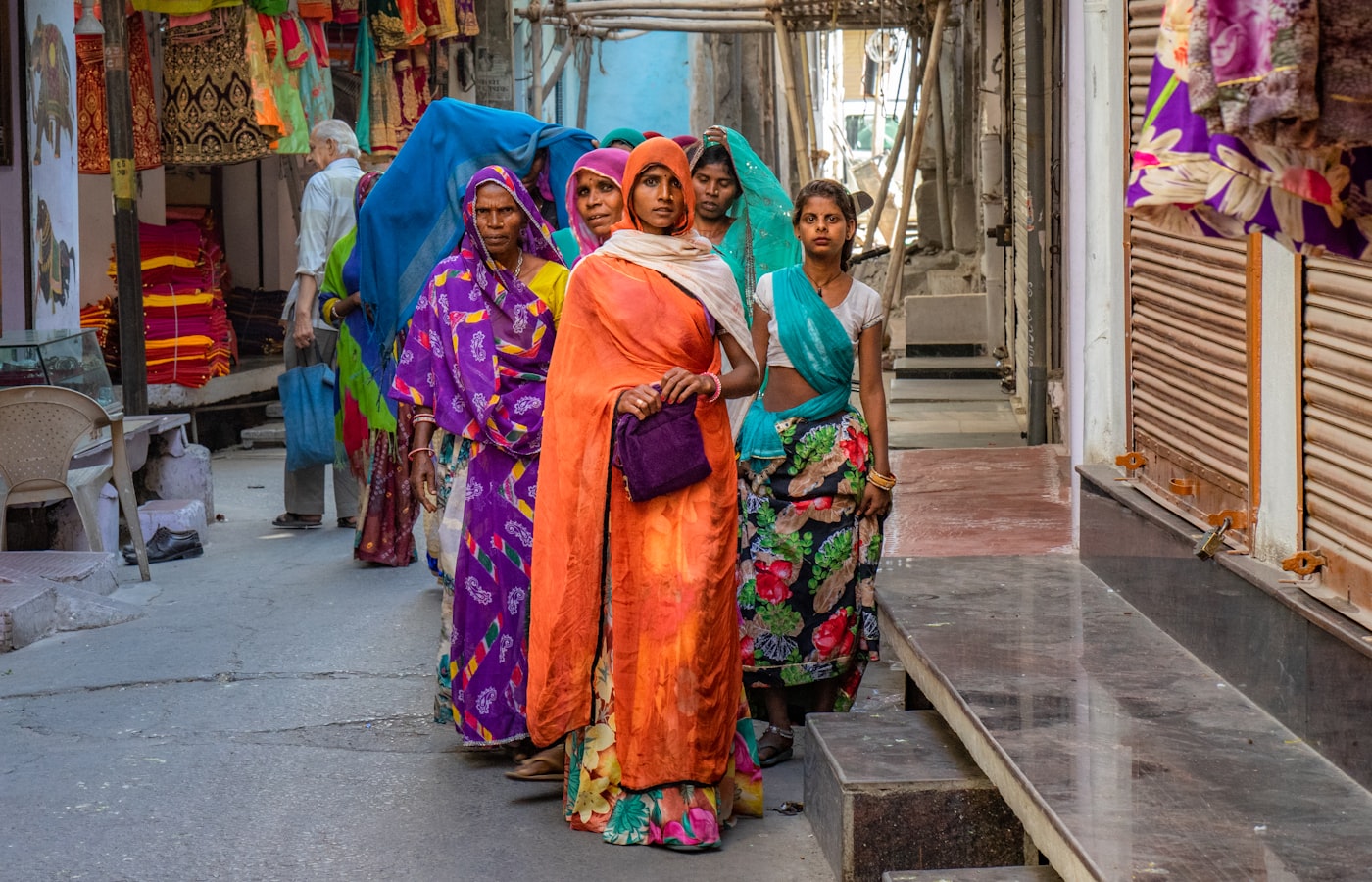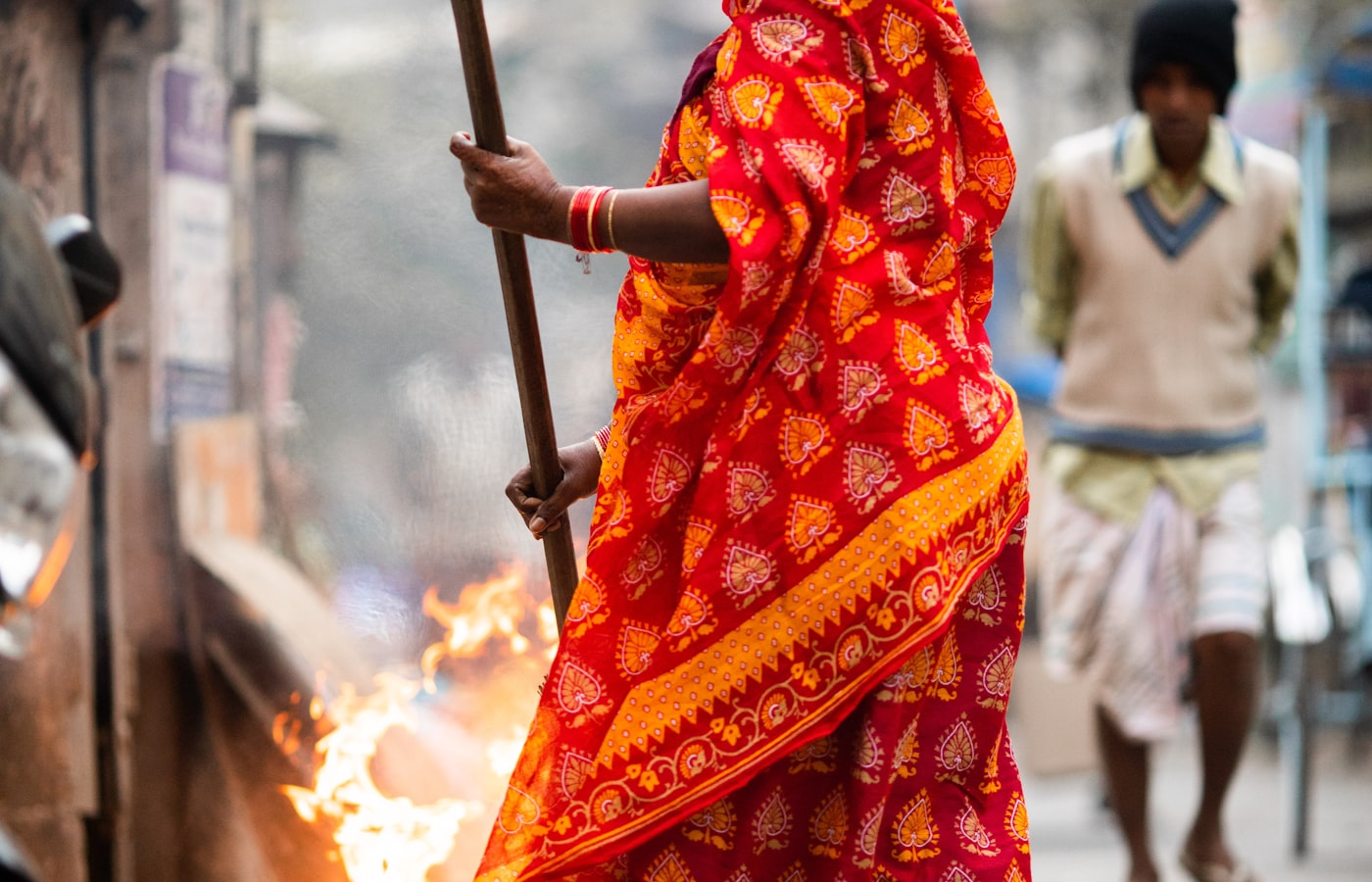
Factory workers in an Indian industrial facility

Labour Code Monitor

Overview In 2020, India consolidated 29 central labour laws into four comprehensive labour codes — the Code on Wages, the Industrial Relations Code, the Code on Social Security, and the Occupational Safety Code. While the legislative intent was to simplify compliance and extend coverage to informal workers, implementation has proceeded unevenly across states and sectors. The Labour Code Monitor is an ongoing documentation and policy tracking effort that examines the gap between legislative promise and administrative reality. Over eighteen months, we tracked notification schedules, state-level rulemaking, enforcement data, and worker testimonies across six states. ...
January 1, 2024 · 3 min · Anshu Jha
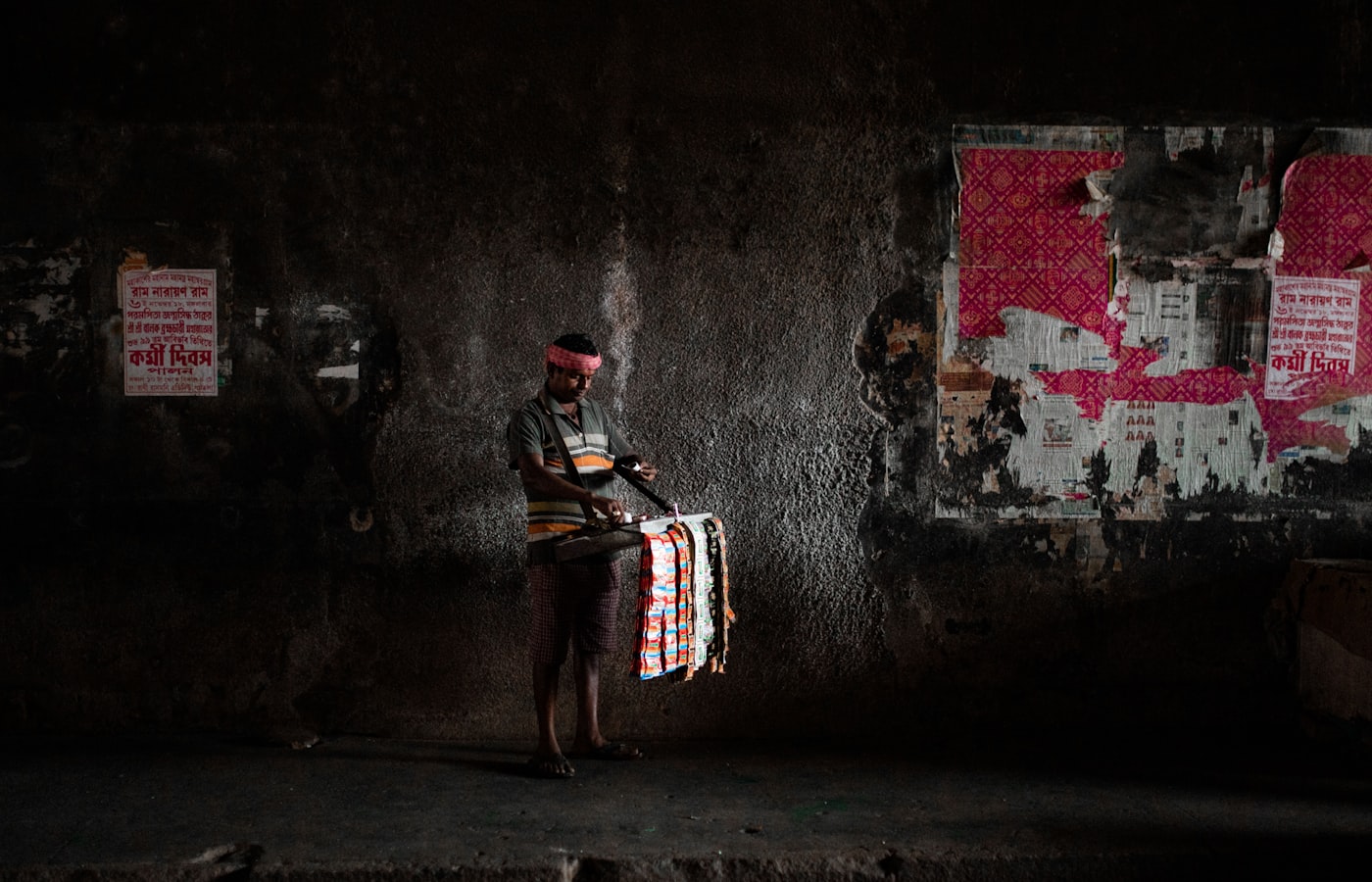
Street vendor market in an Indian city

Street Vendor Atlas

Overview Street vendors are among the most visible yet systematically undercounted economic actors in Indian cities. The Street Vendors (Protection of Livelihood and Regulation of Street Vending) Act, 2014, promised each vendor a certificate of vending, a designated space in a town vending committee, and protection from arbitrary eviction. A decade after enactment, we set out to understand what had actually changed. The Street Vendor Atlas is a spatial and livelihood documentation project covering five cities — Delhi, Mumbai, Kolkata, Ahmedabad, and Bhubaneswar — chosen to represent different urban scales, governance structures, and regional political economies. ...

June 1, 2023 · 3 min · Anshu Jha
Exhibition installation on domestic and home-based labour

Invisible Labour

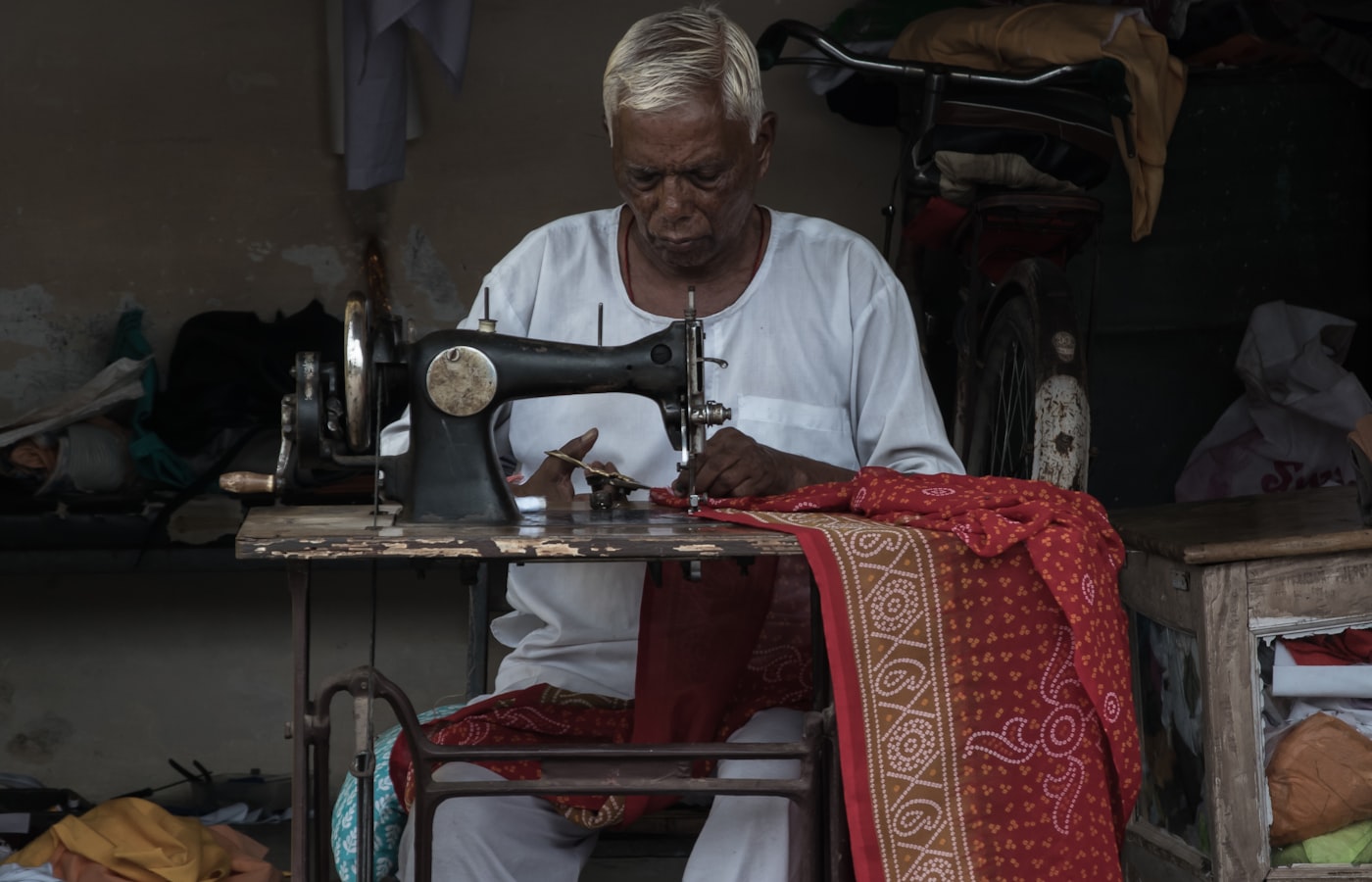
Overview The Indian economy runs, in significant part, on work that does not appear in GDP accounts, is excluded from labour force surveys, and is invisible to welfare administration. Home-based workers — embroiderers, bidi rollers, garment assemblers, papad makers — produce for global supply chains from their kitchen floors. Domestic workers — cooks, cleaners, caregivers — reproduce the conditions for every other kind of work. Together, they constitute an estimated 5–7 crore workers who are largely absent from formal count. ...

November 1, 2022 · 3 min · Anshu Jha
Community meeting with informal workers

Social Protection Pilot

Overview The central problem of social protection for informal workers in India is portability. Benefits — provident fund, gratuity, health coverage — are tied to stable employment relationships that most informal workers do not have. A construction worker who builds for three contractors in a year, a domestic worker who works in five households simultaneously, a seasonal migrant who returns to agricultural work in the summer: the standard model of contributory social security is designed for none of them. ...

March 1, 2022 · 4 min · Anshu Jha
Sanitation workers at night in Delhi

Workers in the Shadows

Overview Delhi’s sanitation infrastructure depends, to a degree rarely acknowledged, on a workforce that operates between 11 pm and 6 am. Night-shift sanitation workers — sewer cleaners, garbage collectors, street sweepers deployed in the early morning hours — work in conditions that are dangerous, socially invisible, and poorly documented. Workers in the Shadows is a longitudinal study of 280 night-shift sanitation workers employed by the Municipal Corporation of Delhi (MCD) and by private contractors operating on MCD’s behalf. The study ran for three years, with interviews and income-expenditure tracking conducted annually. The findings were published in Economic and Political Weekly in July 2021. ...

July 1, 2021 · 4 min · Anshu Jha
Low-income neighbourhood in an Indian city

Urban Livelihoods

Overview Livelihood research on urban poverty has a tendency toward snapshot logic: a survey captures a household at one moment, categorises it by primary income source, and moves on. The reality of low-income urban life is considerably more dynamic — households stack multiple income sources, shift between them seasonally, send members into circular migration, and constantly negotiate between the city and the village. Urban Livelihoods was an eighteen-month community-embedded documentation project in four low-income neighbourhoods in Delhi — Sanjay Colony (Okhla), Savda Ghevra (Rohini), Bawana, and Sangam Vihar. The project prioritised depth over breadth: a small number of households tracked closely over time, with regular visits, rather than a large-sample cross-sectional survey. ...

September 1, 2020 · 4 min · Anshu Jha